
Faced with the choice of a projector for a large conference room, university lecture theatre, corporate auditorium,...
Latest posts
-
 Sony VPL-PHZ61 vs Epson EB-L690U: A Comparative Review of Two Professional Laser ProjectorsRead more
-
 What to Know About Ambient Light Rejection (ALR) ScreensRead more
A standard white wall or a traditional matte-white projector screen is diffuse. This means it reflects light...
-
 Understanding Projector Throw Ratio: A Complete Guide to Long-Throw, Short-Throw and Ultra-Short-Throw ProjectorsRead more
Projector throw ratio is hardly one of the features of a projector that prospective projector buyers give attention...
-
 Projectors Explained: How They Work, Types, Technologies, Features, Applications and the Best Brands - Part 2Read more
In the first part of this two-part article, we have dived in detail into various aspects of projector knowledge that...
-
 Projectors Explained: How They Work, Types, Technologies, Features, Applications and the Best Brands - Part 1Read more
Whether you want to build a true cinematic home theater, upgrade a corporate boardroom, or host unforgettable...
-
 Projectors vs. Smart Televisions: Why a Projector + Screen is Better for Your Living RoomRead more
Televisions have been very popular for home entertainment. Putting a TV in the home was always a necessity that could...
-
 Projector Screens: Why You Shouldn't Just Project to a Bare White WallRead more
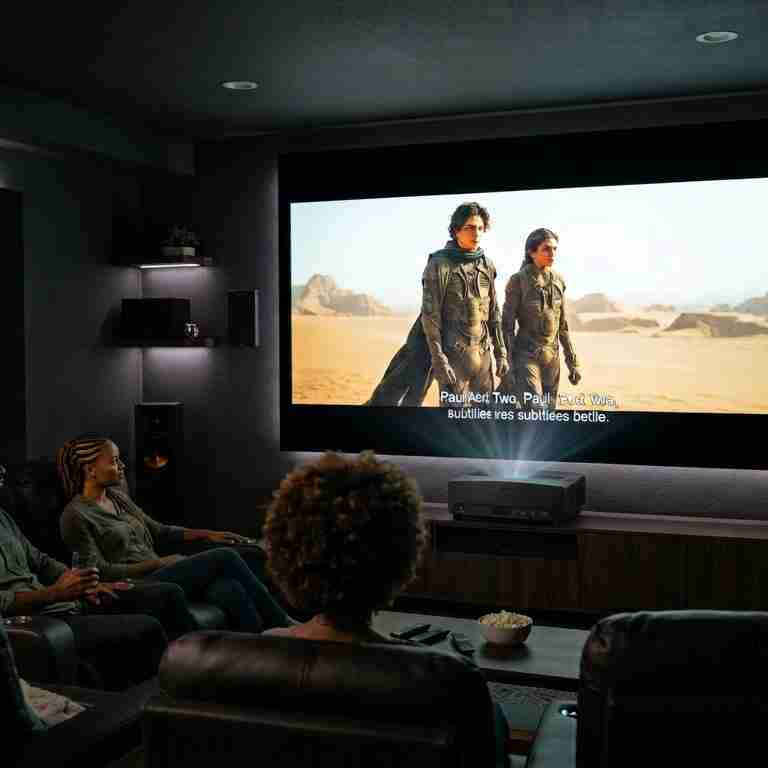
If you've thought that not buying a projector screen, because you have a wall, is a great way to save money, wait...
-
 How to Choose the Right Interactive Flat Panel DisplayRead more
You eventually have to decide which specific interactive flt panel display product to buy. That's an important and...
-
 Interactive Flat Panel Display Pricing in Nigeria: What Should You Budget?Read more
Prospective interactive flat panel display buyers often ask about purchase price, even before paying attention to...
-
 The Features That Really Matter in an Interactive Flat Panel DisplayRead more
Interactive flat panel displays (IFPDs) come in different brands. Brands also have diferent models and generations of...
Blog categories
Search in blog
Archived posts

Interactive Flat Panel Display Pricing in Nigeria: What Should You Budget?
One of the first questions most prospective buyers ask when Interactive Flat Panel Display (IFPD) technology is introduced to them is straightforward:
"How much does it cost?"
Often, this question is asked even before understanding how interactive flat panel displays work and what benefits they offer. This concern is understandable, given that individuals and organisations often manage a tight budget. Still, it’s of prime importance to the key benefits of this display technology so as to put cost in better perspective.
That said, how much then does an interactive flat panel display cost?
The honest answer is that pricing varies considerably depending on screen size, brand, operating system, touch technology, included software, warranty coverage, and installation requirements. A 65” IFPD will understandably cost less than a 98” unit, particularly of the same brand. Generally too, some brands are more advanced and post far higher prices than others.
However, focusing solely on the purchase price can be misleading.
The better question is:
"What is the total value and long-term cost of ownership?"
Organizations that ask this question often make better purchasing decisions and achieve stronger returns on their technology investments.
In this section, we'll examine the factors that influence pricing, typical budget considerations, hidden costs to watch for, and practical advice for planning your investment.

Why Prices of Interactive Flat Panel Displays Vary So Much
Two Interactive Flat Panel Displays may appear similar on the surface while offering very different user experiences and long-term value.
Pricing is typically influenced by several factors.
Screen Size
Generally speaking, larger displays command higher prices.
Common commercial display sizes include:
• 65-Inch Panels: Commonly the least size. This is in the size range of a large TV. Ideal for standard classrooms, small meeting rooms and other small spaces.
• 75-Inch Panels: Still within the range of large-sized TV unit. This IFPD size is commonly used in medium-sized boardrooms, meeting rooms and similar spaces.
• 86-Inch Panels: This is a large display size, suited for large auditoriums and executive offices.
• 98-Inch or Larger Displays: Extra-large display size, suited for venues requiring the highest available size-range. Beyond 98", some brands boast sizes like 105", 110" or even 115".
As screen size increases, so do manufacturing costs, transportation requirements, installation complexity, and structural mounting considerations.
For this reason, selecting the correct size is important not only for usability but also for budget optimization.
Brand Reputation
Established manufacturers often invest heavily in:
• Research and development
• Software improvements
• Security updates
• Product reliability
• Technical support
• Training resources
As a result, premium brands may cost more initially but provide better long-term performance and support.
When evaluating brands, buyers should consider the complete ownership experience rather than focusing exclusively on the purchase price.

Touch Technology
Touch responsiveness significantly affects user satisfaction.
Displays designed for intensive classroom and collaboration use typically include:
• High-precision touch detection
• Palm rejection technology
• Low latency writing
• Multi-user interaction support
These features contribute to a smoother experience but may influence overall pricing.
Software Ecosystem
Modern Interactive Flat Panel Displays increasingly differentiate themselves through software.
Some displays include:
• Digital whiteboarding platforms
• Wireless presentation systems
• Device management tools
• Cloud collaboration applications
• Hybrid learning features
• Remote meeting integrations
A stronger software ecosystem often translates into greater productivity and flexibility.
Warranty and Support
Not all warranties are equal.
Some suppliers provide:
• Basic product repair or replacement coverage
Others may also include:
• On-site support
• Installation assistance
• User training
• Technical consultation
• Software support
When comparing proposals, it is important to evaluate the complete support package rather than simply comparing product prices.
Beyond the Price of Interactive Flat Panel Displays
You must look Beyond the Purchase Price
One of the biggest mistakes organizations make is evaluating technology based solely on acquisition cost.
Let's consider a practical example.
Imagine a school purchases a projector because it appears less expensive initially.
Over the next several years, the school may incur costs associated with:
• Lamp replacements
• Image degradation
• Alignment adjustments
• Filter cleaning
• Screen maintenance
• Reduced brightness performance
By contrast, an Interactive Flat Panel Display may require a larger initial investment but significantly lower ongoing maintenance.
The result can be a lower total cost of ownership over the product's lifespan.
This is why experienced procurement teams often evaluate technology investments over a five- to seven-year period rather than comparing purchase prices alone.
Budgeting for Interactive Flat Panel Display by Application
Different environments have different requirements.

Junior and Middle Schools
Schools should budget not only for the display itself but also for:
• Mounting solutions
• Teacher training
• Network integration
• Content sharing tools
• Optional Windows OPS modules
The objective should be creating a complete digital teaching environment rather than purchasing only a screen.
Universities & Other Tertiary Institutions
Higher education institutions often require:
• Larger display sizes
• Lecture theatre integration
• Video conferencing capability
• Learning management system compatibility
Their planning process should consider scalability and future expansion.
Corporate Organizations
Businesses frequently prioritize:
• Meeting room collaboration
• Wireless presentation
• Video conferencing integration
• Microsoft 365 compatibility
• Hybrid meeting support
The emphasis is often on productivity gains and improved collaboration.
Churches
Churches typically focus on:
• Teaching and training environments
• Leadership development programmes
• Youth engagement
• Presentation flexibility
Installation simplicity and ease of use are often important considerations.
Government Institutions
Government organizations usually require:
• Reliability
• Long service life
• Security
• Ease of maintenance
• Standardization across locations
Procurement decisions often involve a broader assessment of lifecycle value and support capabilities.
Optional Accessories That May Affect Budget
When planning an installation, remember that the display itself may be only one component of the solution.
Common accessories include:
- Mobile Trolleys
Ideal for organizations that need flexibility and multi-room usage.
- Wall Mounts
A cost-effective option for permanent installations.
- Windows OPS Modules
Transforms the display into a fully integrated Windows computer.
- Wireless Presentation Systems
Allows users to share content without cables.
- Cameras and Microphones
Particularly important for hybrid learning and video conferencing.
- Audio Enhancement Systems
Useful for larger training rooms, lecture halls, and conference facilities.
How to Maximize Return on IFPD Investment
Technology investments deliver the greatest value when they are actively used.
Organizations should:
• Train users properly.
• Encourage adoption.
• Integrate displays into daily workflows.
• Explore available software tools.
• Keep systems updated.
• Develop internal best practices.
A well-utilized Interactive Flat Panel Display can influence communication, collaboration, training effectiveness, and productivity for years.
A Practical Buying Philosophy for Interactive Flat Panel Displays
Instead of asking:
"What is the cheapest Interactive Flat Panel Display available?"
Ask:
"Which Interactive Flat Panel Display will provide the greatest value for our organization over the next five to seven years?"
The difference between those two questions often determines whether a purchase becomes a wise investment or an expensive compromise.
The goal is not simply to buy a display.
The goal is to invest in a solution that supports better learning, stronger collaboration, and more effective communication.
So, what then is the price of an interactive flat panel display?
From the explanations above, it can be seen that there’s no fixed price. The price depends on several variables: what size you require, what components (accessories) you want to include, the brand, product specifications/features, included software, bundled benefits, etc.
Still, let’s be clear that purchase cost of interactive flat panel displays is not cheap. They are sold in the millions, even for the display unit alone.
An entry-level product of 65-inch size will generally cost in the region of N2 million and above, at the time of this post. That's just for the display unit alone. Prices continue upward, based on already enumerated factors. High-end, premium brand IFPDs, of large size could cost well above N10 million.
The way to go is to settle for what best fits the requirement and not to overblow the target. You may also avoid the extras that add to cost, if not essentially required. Whatever the case, an interactive flat panel display will still cost some money, but the benefit will far outweigh the cost.
Posted in:
Interactive Flat Panel Displays IFPDs
Related posts
-
 What Is an Interactive Flat Panel Display and How Does it Function?
Interactive flat panel display (IFPD) is a powerful presentation and conferencing display unit, deployed by corporate...Read more
-
 The Key Benefits and Advantages of Interactive Flat Panel Displays
Presentation technology continues to change, as innovations and advancements bring new capabilities and improvements....Read more
-
 Interactive Flat Panel Displays vs. Projectors vs. Interactive Whiteboards: Choosing Which Display System to Invest in for Presentations
Whether it’s your first time looking for a presentation display system, or you’re considering further investment or...Read more
-
 How Interactive Flat Panel Displays Are Transforming Presentations in Education, Business and Everything Else
The deployment of interactive flat panel displays by schools, businesses, medical facilities, religious institutions,...Read more
-
The Features That Really Matter in an Interactive Flat Panel Display
Interactive flat panel displays (IFPDs) come in different brands. Brands also have diferent models and generations of...Read more
Leave a comment